Profitable Intraday Trading Advice 66unblockedgames.com: Can You Really Trade Like a Pro?

Filip Mikus
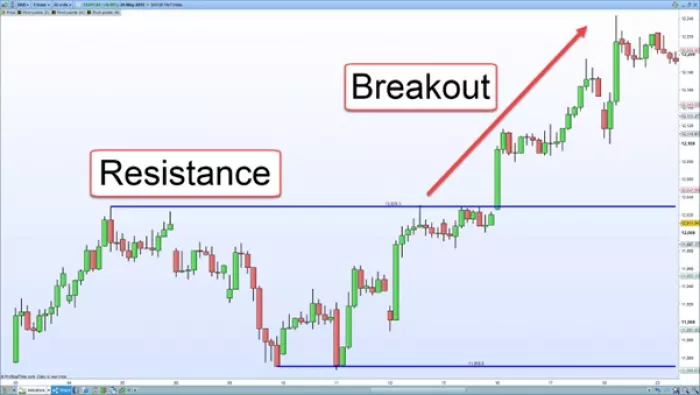
Intraday trading looks thrilling from the outside, fast moves, quick profits, and markets that never seem to sleep. Yet most beginners discover the hard way that excitement without structure quickly turns into losses. This guide on profitable intraday trading advice 66unblockedgames.com walks you through practical, rule-based strategies you can actually use.
You will learn how to choose stocks, set entries and exits, control risk, and avoid classic psychological traps that wipe out novice traders. The bottom line: intraday trading can be rewarding, but only if you treat it like a disciplined process, not a quick-money game.
Intraday Trading Basics
Intraday (or day) trading means buying and selling financial instruments within the same trading day, closing all positions before the market shuts. The goal is to profit from short-term price movements rather than long-term growth.
Typical intraday traders focus on:
- Highly liquid stocks, indices, or currency pairs that move enough to generate meaningful intraday swings.
- Clear technical levels (support, resistance, previous day high/low, VWAP) to plan entries and exits instead of guessing direction.
Core Principles of Profitable Intraday Trading
1. Trade Only Liquid, Volatile Instruments
- Not every stock is suitable for day trading, even if the story sounds attractive. Liquidity and volatility matter more than narratives.
- Prefer large-cap or actively traded mid-cap stocks, major index futures, or liquid currency pairs where bid–ask spreads are tight.
- Avoid illiquid names where entering or exiting even a small position moves the price against you and slippage eats most of your profit.
2. Do Your Homework Before the Market Opens
- Profitable traders do most of their thinking before the bell, not in the heat of the moment.
- Build a watchlist of 8–15 instruments based on news, earnings, gap-ups/gap-downs, or strong pre-market volume.
- Mark pre-market highs/lows, previous day’s range, and major support/resistance zones; these levels often act as turning points during the day.
3. Define Entry, Target, and Stop-Loss in Advance
- “Let’s see what happens” is not a strategy. Each trade needs a predefined structure.
- Decide your entry trigger (breakout, pullback to support, VWAP bounce, opening range breakout) and place a stop-loss where your trade idea is clearly invalidated.
- Set realistic profit targets using risk–reward ratios (for example, risking 1 unit to gain 2–3 units) instead of holding blindly for an arbitrary price.
Risk Management Rules You Shouldn’t Break
4. Use Hard Stop-Losses, Not Hope
- Every intraday trader is wrong frequently; the difference between winners and losers is how they handle being wrong.
- Place a stop-loss order immediately after entering the trade so a sudden spike or crash doesn’t blow up your account while you “wait and watch.”
- Avoid widening stops just because the price is close; if your plan fails, exit and reassess instead of turning a small intraday loss into a large positional one.
5. Risk a Fixed Percentage per Trade
- Professional traders think in probabilities and percentages, not in absolute rupee or dollar amounts.
- Limit risk per trade to 0.5–2% of your total trading capital, depending on your experience and risk appetite.
- Cap total daily loss (for example, 3–4% of capital); if you hit that number, stop trading for the day and prevent emotional revenge trades.
6. Never Turn a Trade into an Investment
- One of the fastest ways to blow up a trading plan is to “hold just a little longer” when a trade goes against you.
- If your intraday stop hits, exit; do not carry the losing position overnight, hoping for a reversal that may never come.
- Remember that stocks picked for quick intraday moves are not always fundamentally sound enough for long-term holding.
Strategy Ideas for Novice Intraday Traders
7. Opening Range Breakout (ORB)
- The opening minutes of the market often set the tone for the rest of the day.
- Define the first 15–30 minutes’ high and low as the “opening range,” then trade breakouts above or below this range with tight stops.
- Filter signals using volume: breakouts with significant volume expansion are more likely to sustain than low-volume fake moves.
8. VWAP Pullback Strategy
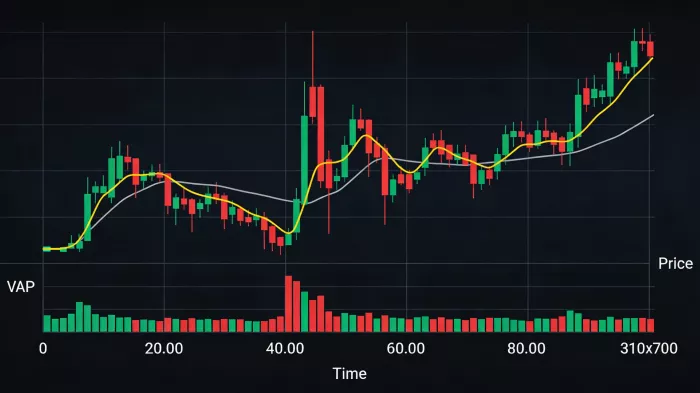
- Volume-Weighted Average Price (VWAP) acts as an institutional benchmark for the average traded price.
- In trending markets, buy pullbacks to VWAP in uptrends and sell bounces to VWAP in downtrends, placing stops just beyond the level.
- Skip trades when price chops around VWAP with no clear direction, as this often indicates a range-bound session.
9. Intraday Support–Resistance Reversals
- Classic levels still work intraday when combined with proper context.
- Watch how price behaves around previous day’s high/low, intraday swing highs/lows, and round numbers; sharp rejection candles or volume spikes can offer high-probability reversal entries.
- Combine these levels with indicators (like RSI divergence or moving average slope) for additional confirmation instead of trading a level in isolation.
Psychology: The Real Edge in Intraday Trading
10. Avoid Overtrading and FOMO
- The market will still be there tomorrow; your capital may not be if you chase every move.
- Limit the number of trades per day to a predefined range (for example, 3–6 well-planned setups) to maintain focus and avoid impulsive clicks.
- If you missed a move, accept it and move on; chasing late entries usually means buying the top or selling the bottom.
11. Treat Trading Like a Skill, Not a Lottery
- Consistent profitability comes from deliberate practice, not “hot tips.”
- Maintain a trading journal logging entry, exit, reasoning, and emotional state; review weekly to spot patterns in both your winners and mistakes.
- Backtest your strategies on historical data and practice in a simulated account before putting real money at risk.
Sample Intraday Trading Checklist
- Use this quick checklist before taking any trade:
- Is the instrument liquid and reasonably volatile today (volume, range)?
- Do I have a clear setup, entry trigger, target, and stop-loss defined?
- Does the trade fit within my risk per trade and daily loss limit?
- Am I trading the plan, or reacting emotionally to fear or greed?
- If you answer “no” to any of these, you’re better off skipping the trade.
Final Thoughts
Profitable intraday trading advice 66unblockedgames.com-style isn’t about secret indicators or magical formulas; it’s about combining liquid instruments, clear setups, strict risk management, and a disciplined mindset. When you approach intraday trading as a structured process, even small, consistent gains can compound meaningfully over time.
Use this guide as a framework, refine it with your own data and journaling, and keep updating your playbook as markets evolve.

Comments