OpenAI Unveils ChatGPT App Store, Paving Way for an 'Everything App' Future

Rajat Chauhan
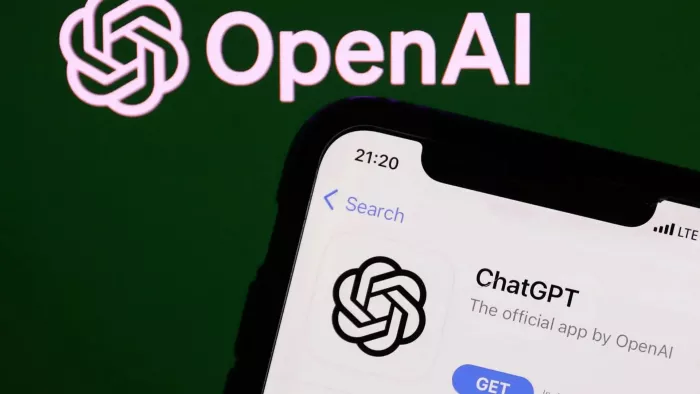
The landscape of artificial intelligence took a significant leap forward this week as OpenAI officially launched its much-anticipated ChatGPT App Store, now known as the App Directory. This pivotal move is set to revolutionize how users interact with the powerful AI chatbot, transforming it from a mere conversational agent into a versatile platform capable of myriad specialized tasks and integrations.
On Wednesday evening, OpenAI made good on previous hints by introducing an intuitive App Directory, allowing users to effortlessly browse and discover a growing suite of tools and plugins. Simultaneously, the company unlocked its Software Development Kit (SDK) for developers, inviting them to build innovative, interactive experiences that operate seamlessly within ChatGPT's user interface. This dual launch signals a clear strategic direction: establishing ChatGPT as a comprehensive ecosystem.
The Dawn of the ChatGPT Ecosystem: What OpenAI Plugins Mean for You
For everyday users, the advent of the OpenAI App Directory means unparalleled functionality. Imagine asking ChatGPT to book you a flight, order your dinner, or even curate a personalized music playlist, all without leaving the chatbot's environment. The newly available plugins bridge the gap between AI conversation and real-world actions. While initial integrations with services like Apple Music and DoorDash were mentioned by OpenAI CEO Sam Altman last month, the SDK ensures that this is just the beginning. The goal is to provide a unified experience, making various digital tasks simpler and more efficient than ever before.
This development is crucial for those interested in the future of ChatGPT ecosystem. It moves beyond theoretical applications, grounding the AI in practical, everyday utility. Instead of toggling between different apps and websites, users will soon be able to leverage ChatGPT as a central hub for a vast array of services, all powered by intelligent AI interpretation and execution.
Empowering Innovators: The ChatGPT SDK for Developers
The release of the ChatGPT SDK for developers is perhaps the most impactful aspect for the broader tech community. It opens the floodgates for third-party innovation, allowing programmers and companies to extend ChatGPT's capabilities in previously unimaginable ways. Developers can now craft custom plugins that tap into external data sources, perform complex calculations, or interact with other software, all while maintaining the intuitive conversational interface ChatGPT is known for.
This move is a strong indicator of OpenAI's commitment to fostering an open and expansive platform, encouraging a vibrant community of developers to contribute to the chatbot's growth. It transforms ChatGPT from a product into a platform, akin to an operating system for AI-driven applications. This is how OpenAI plans on transforming ChatGPT into an everything app.
Sam Altman’s Vision: Making ChatGPT an 'Everything App'
OpenAI CEO Sam Altman has been vocal about his ambition to evolve ChatGPT into an 'everything app' – a single point of access for a multitude of digital services. This vision is now rapidly materializing with the official ChatGPT App Store launch. By providing the infrastructure for external integrations and an SDK for developers, OpenAI is laying the groundwork for a future where ChatGPT isn't just a tool, but a foundational layer of our digital lives.
The journey towards this 'everything app' status is an ambitious one, but with the new App Directory and SDK, OpenAI has taken a definitive step forward. The potential for seamless interaction between AI and the vast digital services we use daily is immense, promising a more integrated and intelligent future for technology users worldwide. The coming months will undoubtedly showcase a surge of creative and practical applications, further solidifying ChatGPT's role as a pioneering force in the AI revolution.

Comments