Inside Granny Space: The Digital Mirage of Mature Companionship

Trevor Hall

Table of Contents
- A Platform Built on Illusion
- How Granny Space Works
- Business Model and Design Incentives
- User Complaints and Red Flags
- Lack of Transparency and Company Details
- A Comparison with Legitimate Platforms
- Legal and Ethical Implications
- Patterns of Emotional Manipulation
- The Broader Context
- User Psychology and Design Ethics
- Alternatives and Safer Options
- Conclusion
A Platform Built on Illusion
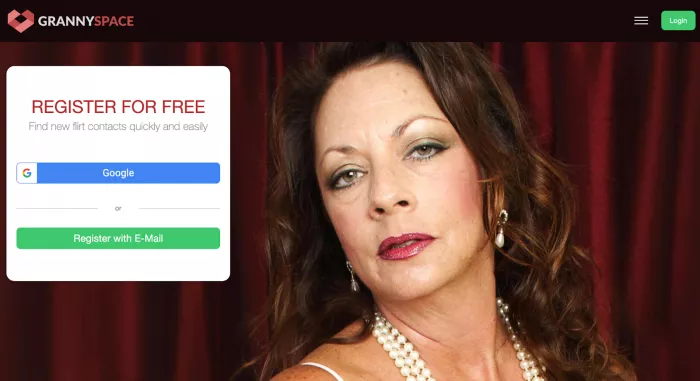
Granny Space appears at first glance like a niche dating site. Its homepage shows smiling portraits of older women, inviting visitors to sign up and start chatting instantly. The promise is simple: authentic conversations with mature companions.
Beneath that simplicity, however, lies a system shaped more by transactional entertainment mechanics than social connection. The model revolves around virtual profiles, pre-scripted dialogues, and a coin-based messaging economy that quickly drains user funds.
Many visitors arrive expecting a space for real-world interaction. What they find instead is a closed feedback loop where communication never moves beyond the website.
How Granny Space Works
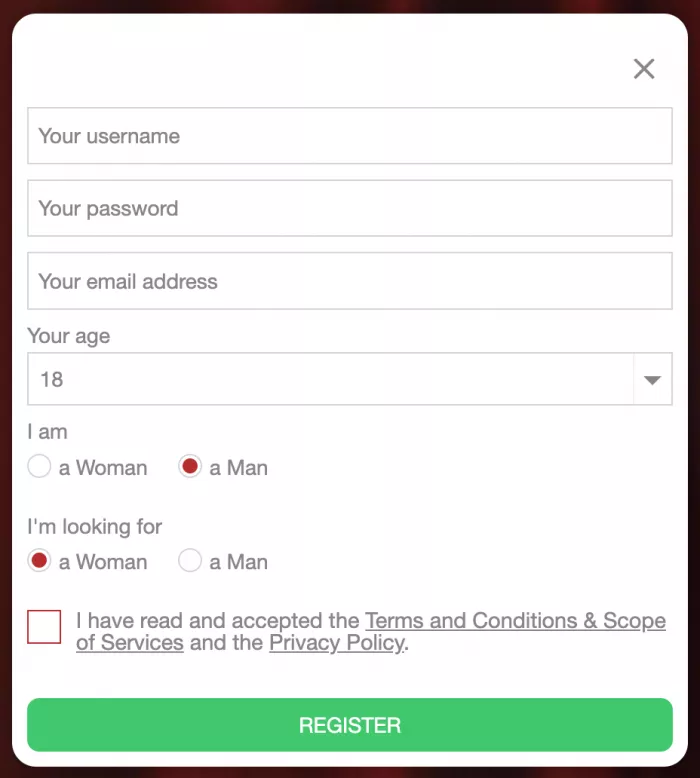
Registration is straightforward. A name, an age, and a few clicks bring up a gallery of profiles. Each profile presents photos, ages, and short bios suggesting approachability and warmth.
Users can browse freely, but to reply or initiate conversation, they must buy digital coins. Each message consumes several coins. The faster one responds, the quicker the coins disappear.
The fine print on the site clarifies that some profiles are “moderated” or “fantasy simulations.” In practice, this means that not every message comes from a real person. Some are likely handled by operators trained to maintain engagement.
| Key Element | Observation |
| Cost Model | Pay-per-message credits; high coin consumption per reply |
| Profile Authenticity | Often virtual or semi-automated |
| Free Features | Browsing only |
| Contact Beyond Site | Restricted; off-platform communication discouraged |
In effect, Granny Space functions more like an interactive chatroom than a matchmaking platform.
Business Model and Design Incentives
The architecture of Granny Space favors volume over authenticity. Every active conversation generates more revenue. Since messages cost credits, the system encourages continuous interaction.
There is no monthly subscription that limits expenditure. Instead, users purchase packages of coins. Once depleted, chats freeze until payment resumes.
Free messages are rare and mostly promotional. There are no signs of advertising income or outside sponsorship, suggesting the company’s only profit stream comes directly from user engagement.
This design encourages what analysts call “infinite dialogue loops” — conversations structured to appear emotionally engaging but mechanically endless.
User Complaints and Red Flags
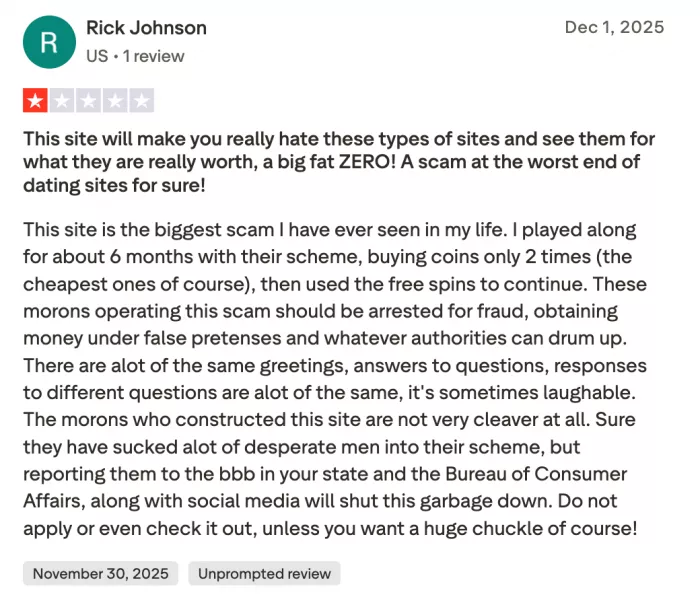
Feedback collected from Trustpilot and independent review forums paints a consistent picture. Users describe robotic responses, repetitive dialogue, and uniform behavior among profiles.
Common patterns include:
● All “women” appearing online simultaneously at off-hours.
● Characters responding instantly, regardless of message time.
● Conversations stalling when users stop paying.
● Refusal to share personal details such as social media or phone numbers.
The site currently holds an average rating of 1.4 out of 5 on Trustpilot. Several reviewers mention feeling misled about the nature of the platform. One elderly man claimed to have spent over $25,000 chasing what he believed were genuine conversations.
“Every time I bought more credits, she replied with the same lines. I should have realized it wasn’t real.”
— User review, Trustpilot (2025)
Such testimonials suggest that Granny Space relies heavily on emotional engagement as a payment trigger, particularly among vulnerable users seeking companionship.
Lack of Transparency and Company Details
Attempts to trace Granny Space’s ownership lead to a digital dead end. There is no named founder, no corporate registration, and no accessible customer support beyond a contact form.
The domain, grannyspace.net, shows signs of overseas operation. Analysts speculate the site may be managed from Europe, possibly Poland, based on payment gateway data and language metadata.
Despite anonymity, the platform attracts substantial traffic. Semrush analytics estimate roughly 1.1 million monthly visits, primarily from the United States. This volume demonstrates that, regardless of complaints, the site continues to attract new users searching for companionship.
Transparency reports classify it as “low trust” with high consumer risk. No verified address, legal representative, or refund policy appears on record.
A Comparison with Legitimate Platforms
Granny Space’s biggest issue lies in its presentation. It markets itself as a dating environment but functions as paid entertainment. Comparable fantasy chat services such as MoeMate AI or ThotChat AI make their role explicit. Granny Space does not.
| Feature | Granny Space | Tinder / Bumble | Adult Friend Finder |
| Profile Type | Virtual or moderated | Real, verified | Real, human-verified |
| Cost Model | Coin-per-message | Free with optional upgrades | Monthly subscription |
| Offline Interaction | Not permitted | Regular | Common |
| Transparency | Disclosed only in fine print | Full disclosure | Clear |
This lack of upfront honesty creates confusion and fuels accusations of deceptive marketing.
Legal and Ethical Implications
Legal documentation on Granny Space is limited. The site’s terms of service contain disclaimers stating that chats are “for entertainment purposes only.” This clause protects the operators from accusations of fraud but does not excuse deceptive framing.
Several users report difficulty canceling accounts or obtaining refunds. Some claim hidden charges appeared on bank statements after credit purchases.

Consumer watchdogs and the Better Business Bureau list recurring complaints but have not reported formal lawsuits. Nonetheless, the ethical questions remain significant. The targeting of lonely or elderly individuals for profit aligns with broader concerns about digital exploitation in social platforms.
Patterns of Emotional Manipulation
Analysis of user transcripts suggests that automated scripts follow a predictable rhythm.
1. Warm greeting and gratitude.
2. Personal interest question (e.g., “Where are you from?”)
3. Flirtatious remark within three exchanges.
4. Emotional reinforcement such as “I missed our chat.”
5. Credit exhaustion point, followed by silence until more coins are bought.
This loop creates the illusion of connection while maintaining dependency. The effect is particularly strong on isolated users who interpret consistent responsiveness as emotional attention.
In behavioral economics, this is known as a “variable reward system” — the same mechanism that underlies gambling addiction.
The Broader Context
Granny Space does not exist in isolation. It belongs to a lineage of high-turnover chat monetization sites that emerged after the collapse of traditional pay-per-view adult platforms.
These websites use dating-site aesthetics to attract users but are fundamentally entertainment chat simulators.
Their success depends less on satisfaction and more on curiosity cycles: new visitors replacing those who leave frustrated.
Regulators have been slow to respond, partly because such platforms avoid direct promises of meetups or relationships. By framing themselves as “conversation services,” they occupy a legally gray area.
User Psychology and Design Ethics
What makes Granny Space effective, if troubling, is its understanding of digital loneliness. The site capitalizes on the social gap between accessibility and intimacy.
Users pay not for information or outcomes but for attention. Even knowing the interaction may not be real, many continue, driven by the comfort of dialogue itself.
This blurs the ethical boundary between entertainment and manipulation. The absence of real-world consequences creates an environment where empathy becomes a product and conversation a commodity.
Alternatives and Safer Options
For those genuinely seeking connection, legitimate senior dating and chat communities exist. Examples include:
● SeniorMatch.com: A verified dating site with real user verification and clear subscription pricing.
● OurTime: A platform specifically for individuals over 50 with transparent safety protocols.
● SilverSingles: Known for verified profiles and active moderation.
These services differ from Granny Space by offering accountability and verifiable human membership.
Conclusion
Granny Space presents itself as a portal to companionship but operates as a monetized fantasy platform. Its design encourages emotional investment while limiting transparency and control.
For some users, the experience might feel like playful escapism. For others, especially those unaware of its structure, it becomes a costly cycle of hope and disappointment.
The problem lies not in its existence as entertainment but in its presentation as authenticity. True companionship platforms make transparency their foundation. Granny Space, according to user testimony and available data, continues to trade in illusion instead.

Comments