FurtherBusiness.com Review: Helpful Business Blog or SEO-Driven Content Site?

Trevor Hall

What Is FurtherBusiness.com and How Does It Really Publish?
FurtherBusiness.com presents itself as a business-focused blog for entrepreneurs and small business owners, offering short guides on marketing, finance, tools, and general business growth. The stated goal is to provide simple, actionable ideas without long, theory-heavy explanations, making it appealing to busy founders and solo operators.
However, looking beyond the homepage messaging reveals a broader and less focused publishing pattern. Alongside business tips, productivity advice, and tool overviews, FurtherBusiness.com also publishes a significant amount of content related to online casinos, betting platforms, and gaming guides. In some cases, this gambling-related content appears under business-oriented categories, blurring the site’s original positioning.
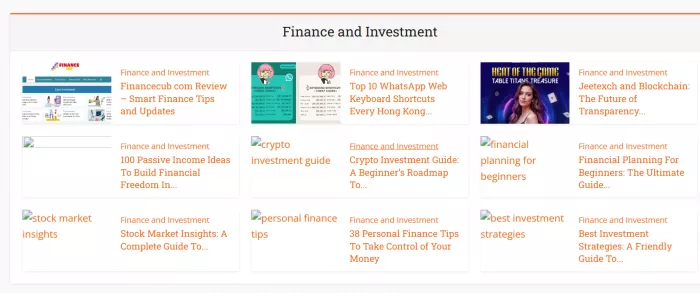
What does FurtherBusiness.com offer on the surface
The homepage shows a very minimal layout with four main sections: Business Insights, Finance and Investment, Marketing and Sales, and Resources and Tools. The brand describes itself as a source of business insights, tools, and growth strategies, mainly targeting entrepreneurs, startups, and small businesses.

Here is a simple overview of the main sections and what you actually get:
| Section on site | What it mainly covers | Depth of content |
| Business Insights | General business advice, strategy, leadership-style topics, trend-style posts. | Usually light to moderate depth; more overview than deep training. |
| Finance and Investment | Basic finance tips, budgeting and funding ideas, plus reviews of finance-focused sites like Financecub. | Aimed at beginners; usually simplifies concepts and avoids heavy detail. |
| Marketing and Sales | Content marketing, branding, digital marketing, and “growth hack” style advice. | Practical but often short; good for ideas, not full strategy blueprints. |
| Resources and Tools | Reviews and “X.com review” articles for tools and niche sites (for example, Technofee, Financecub, and similar domains). | Mostly overviews with pros and cons, sometimes with light affiliate-style framing. |
Why this site exists and who it targets
External write-ups say the main goal of FurtherBusiness.com is to make business growth feel simpler and less overwhelming. The platform tries to break down topics like marketing, AI tools, finance, and productivity into short, easy guides that readers can act on quickly.
Most reviewers agree the site is best for:
■ New founders and solo entrepreneurs who want simple tips and templates, not long textbooks.
■ Freelancers and small business owners who search for “how to” style posts, tool suggestions, and basic finance or productivity ideas.
■ If you already have strong business experience, you may find many posts too basic or repetitive, especially in areas like finance or advanced marketing.
How strong is the content quality?
Several independent reviews describe the content style as:
■ Straight-to-the-point, with simple language and quick tips and checklists.
■ Focused on practical actions and templates, especially for marketing, productivity, and tools.
However, there are clear downsides:
■ Depth varies a lot from article to article; some posts feel like basic introductions, with little detailed data, case studies, or specific numbers.
■ The site sometimes publishes “review” posts about other websites or tools (like Technofee or Financecub) that read more like surface-level overviews than hard-tested, long-term reviews.
■ So, if you want simple explanations and quick ideas, the content works well; if you want expert-level detail or heavily researched analysis, it will likely feel too shallow.
The Casino and Gambling Content Issue

One of the most noticeable inconsistencies on FurtherBusiness.com is the presence of casino and gambling-related articles.
Alongside business, finance, and marketing posts, the site publishes full articles on online casinos and gaming platforms, including:
● Casino platform reviews
● Gambling guides and bonus discussions
● Online betting comparisons
Some of this content even appears under business-focused categories like “Business Insights.”
This creates a clear mismatch between the site’s branding and its actual publishing behavior.
What This Reveals About Focus and SEO Strategy
The combination of entrepreneurship content and gambling reviews strongly suggests that the site is driven more by SEO and monetization opportunities than by a tightly defined editorial mission.
Casino and gambling keywords are highly competitive and profitable, often linked to affiliate programs. Publishing them on a “business” domain is a common SEO strategy, but it weakens topical focus.
If the site were strictly business-focused, gambling content would typically be framed as:
● Industry or market analysis
● Business models within gaming
● Regulation or fintech case studies
Instead, most of the casino articles read like consumer-facing reviews, which aligns more with affiliate SEO than with serious business education.
Transparency, trust, and safety concerns
The About page now even describes Further Business as a hub for “gaming, tech, and lifestyle content,” which quietly widens the niche well beyond founders and small businesses.
However, the homepage copy and category labels still lean on business-growth language, which can mislead new visitors who expect a focused business resource and instead get a mix of business, crypto, and gambling posts.
From a trust and safety angle:
● Casino and gambling guides can be sensitive, especially for younger or financially vulnerable readers, and require very clear, visible disclaimers and responsible‑gaming framing.
● On a site branded as a business advice hub, this blend can blur the line between educational content and promotional gambling material, increasing the risk that readers over-trust articles simply because they sit next to “business insights.”
What users and reviewers like
Across external blog reviews and guides about FurtherBusiness.com, a few positives are repeated often:
■ Simple writing and short articles that are easy to understand, even if you are not from a business background.
■ Clear, skimmable layout with bullet lists, checklists, and templates that are quick to apply.
■ Decent coverage of modern topics such as AI tools, automation, and startup-focused finance tips.
Some external reviewers even call it a useful bookmark for “quick wins” when you need ideas or starting points for marketing or productivity.
What people complain about or find weak
Honest critiques from reviewers and guides point out some key issues:
■ Many articles lack depth; after giving basic tips, they stop short of deep breakdowns, step-by-step data, or long-term case studies.
■ Review-style posts on other sites and tools can feel promotional and may not include robust testing or side-by-side comparisons.
■ The site does not show strong expert bios, credentials, or transparent methodology for tool reviews, which can make it harder to fully trust every recommendation.
For readers who expect strong research, clear qualifications, or detailed technical content, these gaps are important.
How is making money, and what does that mean for bias
This site appears to rely largely on content and reviews, which often pair well with affiliate links, brand mentions, or sponsored-style posts on tools and related websites. While this is very common in the business and tech blog space, it does introduce potential bias, especially if a review is short and mostly positive without hard testing evidence.
Because of that, the safest approach is:
■ Use their lists and reviews as discovery tools (to find names of tools or finance sites).
■ Always cross-check critical decisions (like where to invest money or which expensive software to buy) with other independent sources.
Is FurtherBusiness.com worth your time?
In simple terms:
Good fit if: You are a beginner, a solo founder, or a small business owner who wants light, easy-to-read content, fast ideas, and basic guidance on marketing, finance, and tools without heavy jargon.
Not a good fit if: You need in-depth, expert-level guidance, detailed research, or highly technical breakdowns for complex decisions like investment strategy, legal structures, or enterprise-level tech stacks.
The site is not a scam, but it is also not a gold-standard research hub; it sits in the middle as a practical, simple resource that works best as a first step, not the final word.

Comments