25 Best Review Platforms to List Your Business (2026 Guide)

Trevor Hall
Table of Contents
Trying to figure out which review sites actually matter for your business in 2026? It's a crowded field, and wasting time on the wrong platforms won't get you new customers.
The truth is, your customers are looking you up online right now. A staggering 98% of people read online reviews for local businesses [https://www.brightlocal.com/research/local-consumer-review-survey/]. If you're not on the right sites, you're invisible.
This guide gives you the definitive list of the 25 platforms that can actually grow your business. We'll skip the fluff and tell you exactly why each one matters, who it's for, its biggest advantage, and the one thing it's missing.
The Top 25 Review Platforms for 2026
1. Google Business Profile
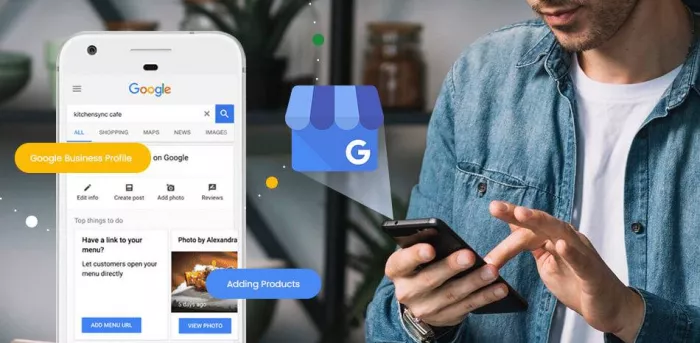
● Key Advantage: It’s the best free marketing tool you have. Great reviews here give you a massive boost in local search, driving real foot traffic and phone calls.
● What it Lacks: It can be very difficult to remove fake or unfair reviews. The process is slow and often feels like a black box.
● Best for: Every single business with a physical location or service area.
2. Yelp
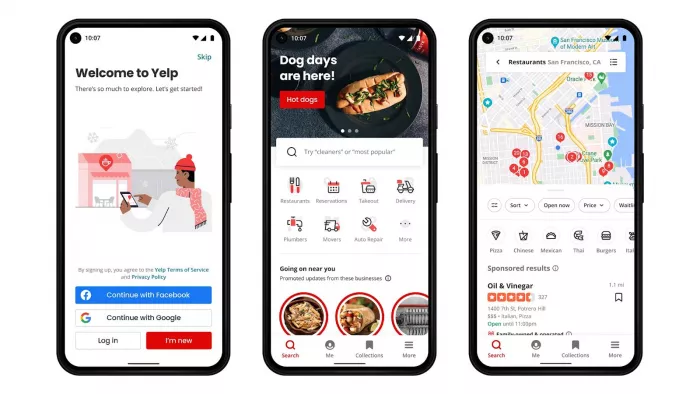
● Key Advantage: The users have high commercial intent. A top spot on Yelp for your category can lead to immediate business.
● What it Lacks: Business owners often hate its aggressive review filter, which can hide legitimate positive reviews, and the constant calls from their ad sales team.
● Best for: Restaurants, home services, salons, and other local service businesses.
3. Facebook Ratings & Recommendations
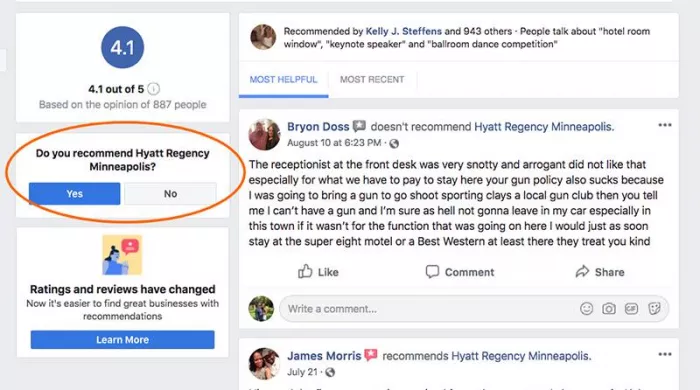
● Key Advantage: The potential for word of mouth marketing. A single recommendation can be shared and seen by hundreds of people in a local network.
● What it Lacks: The review format is simple. It's more of a simple "Yes/No" recommendation, which doesn't provide detailed feedback.
● Best for: Any B2C business with a strong community vibe, like a local gym, coffee shop, or boutique store.
4. Trustpilot
● Key Advantage: It has great tools to automatically ask your customers for reviews after a purchase. This helps you get a steady stream of fresh, relevant feedback.
● What it Lacks: The free plan is quite basic. To unlock the features that really make a difference, like getting stars in your search results, you have to upgrade to a paid plan.
● Best for: Online businesses, especially e-commerce and SaaS companies.
5. Better Business Bureau (BBB)
● Key Advantage: It’s a powerful symbol of credibility. A good rating shows customers you are committed to ethical business practices and resolving complaints.
● What it Lacks: The website feels old. The user experience isn't as slick or modern as the other platforms on this list.
● Best for: Contractors, mechanics, financial advisors, and any business where trust is the main selling point.
6. FirmSuggest

● Key Advantage: Its smart matching algorithm saves businesses countless hours by curating a shortlist of firms based on project needs, budget, and even work style.
● What it lacks: A smaller review library. As a newer player, its review volume is still growing and can't yet match the sheer quantity of a platform like Clutch.
● Best for: Companies that want a highly vetted list of potential agency partners without the noise of a massive directory.
7. TechSuggest
● Key Advantage: Its unique AI comparison engine allows users to compare software on deep technical specifications and integrations, a huge plus for developers and CTOs.
● What it Lacks: Mainstream brand authority. While loved by tech insiders, it's not yet a household name like G2, so its reports may not carry the same weight in a non-technical meeting.
● Best for: Tech-forward companies, SaaS startups, and IT departments needing detailed, feature-level software comparisons.
8. Angi (formerly Angie's List)
● Key Advantage: High value leads. Customers on Angi are often looking for large, specific projects and are willing to pay for quality work.
● What it Lacks: Cost concerns. Many contractors report that the cost of leads can be high, and competition on the platform is fierce.
● Best for: Plumbers, electricians, roofers, landscapers, and general contractors.
9. Thumbtack
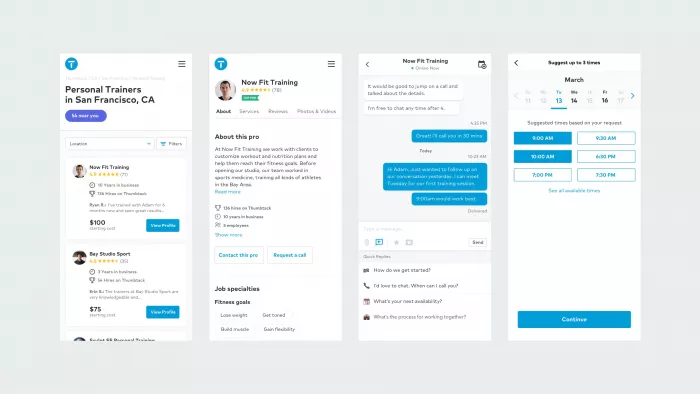
● Key Advantage: "Cost per lead" model. You only pay when a potential customer contacts you, which can be more cost effective for some pros.
● What it Lacks: Competition on price. The platform's format can sometimes encourage a race to the bottom, where the lowest bid gets the most attention.
● Best for: Photographers, DJs, personal trainers, tutors, and other local service professionals.
10. HomeAdvisor
● Key Advantage: Massive audience of homeowners. Being part of the same company as Angi, it offers an enormous reach into the home services market.
● What it Lacks: Lead quality can be mixed. Some professionals report getting leads that are outside their service area or scope of work.
● Best for: Home improvement contractors looking to maximize their online lead generation sources.
11. Clutch.co
● Key Advantage: In-depth, verified reviews. Their team often interviews clients to create detailed, case-study style reviews that carry immense weight.
● What it Lacks: It can be a slow process. Getting your first few verified reviews can take time and effort due to their manual verification process.
● Best for: B2B service providers like marketing agencies, web development firms, and IT consultants.
12. GoodFirms.co
● Key Advantage: Global reach. GoodFirms has a strong presence in international markets, helping service providers connect with clients worldwide.
● What it Lacks: Less brand recognition in North America compared to Clutch, making it a better secondary platform for businesses focused there.
● Best for: B2B service companies looking to attract an international client base.
13. Tripadvisor
● Key Advantage: Unmatched global audience of travelers. For any tourism related business, Tripadvisor is the most important review platform.
● What it Lacks: A constant battle against fake reviews. Due to its high influence, the platform requires vigilance from business owners to spot and report fraudulent posts.
● Best for: Hotels, restaurants in tourist areas, tour operators, and attractions.
14. OpenTable
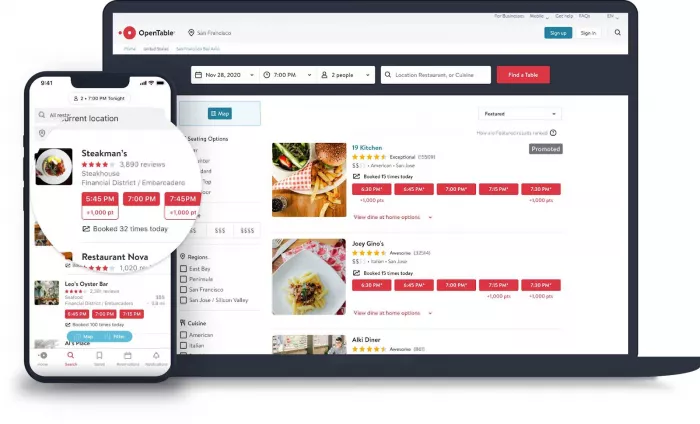
● Key Advantage: It ties reviews directly to confirmed reservations, eliminating fake reviews from people who never dined at the restaurant.
● What it Lacks: It’s a closed system. Only diners who book through OpenTable can leave a review, so you miss out on feedback from walk-ins or phone reservations.
● Best for: Restaurants that rely on a reservation system for seating.
15. Zomato
● Key Advantage: Deep integration with food delivery. It has evolved from a review site into a full service platform for dining in, delivery, and discovery.
● What it Lacks: Its influence varies greatly by location. It's dominant in some countries (like India and Australia) but less critical in others (like the US).
● Best for: Restaurants, especially those in international markets where Zomato is the primary dining app.
16. Foursquare
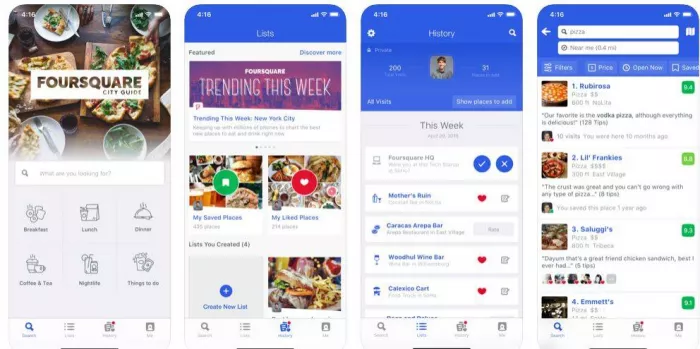
● Key Advantage: Location-based discovery. Its strength lies in its "check in" feature and curated city guides that encourage users to explore new local businesses.
● What it Lacks: A smaller active user base compared to its peak years. It's more of a discovery tool now than a primary review platform.
● Best for: Coffee shops, bars, boutiques, and "hidden gem" businesses that benefit from foot traffic.
17. G2

● Key Advantage: Highly detailed, verified reviews. G2's use of LinkedIn for verification and its structured review forms make it a trusted source for B2B software buyers.
● What it Lacks: It's a "pay to play" environment. While listing is free, getting top visibility in popular categories often requires a significant ad spend.
● Best for: SaaS companies of all sizes.
18. Capterra.com
● Key Advantage: Massive traffic from long tail searches. Its granular software categories allow you to be found by buyers searching for very specific solutions.
● What it Lacks: Lead quality can be inconsistent. Because it's so large, you may get inquiries from users who are just browsing, not seriously evaluating.
● Best for: SaaS businesses, especially those that serve niche markets.
19. TrustRadius
● Key Advantage: Emphasis on unbiased reviews. TrustRadius does not sell leads or clicks, which it claims leads to more honest, in depth feedback from users.
● What it Lacks: A smaller volume of reviews compared to Capterra or G2, although the quality of each review is typically very high.
● Best for: B2B tech companies that want to attract discerning buyers who value detailed, unbiased reviews.
20. Software Advice

● Key Advantage: Highly qualified leads. It provides free consultations to software buyers, meaning the leads passed to vendors are often well vetted and ready to talk.
● What it Lacks: Less control over your profile. The platform is more of a matchmaker than a public directory, giving you less direct control over your brand presentation.
● Best for: B2B software companies with a sales team ready to handle warm, inbound leads.
21. SourceForge
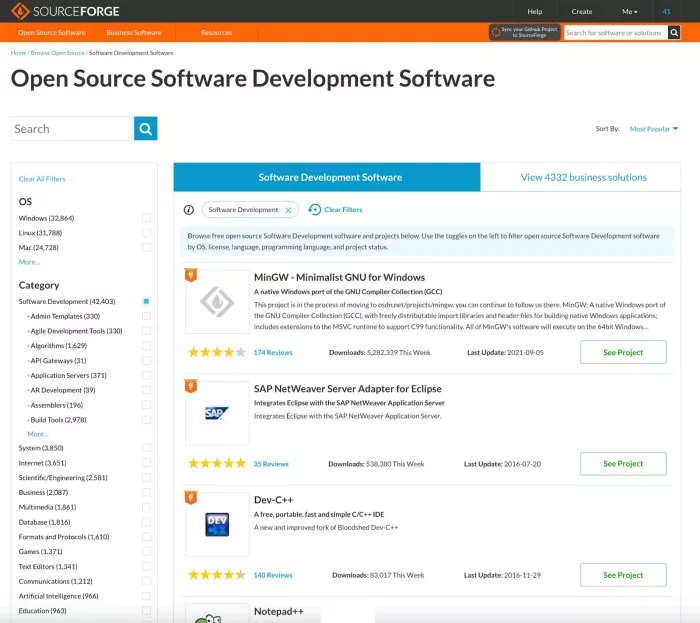
● Key Advantage: A technically savvy audience. The users on SourceForge are often developers and IT pros, making their reviews highly valuable for technical software.
● What it Lacks: A slightly dated interface. The platform has been around for a long time, and its user experience isn't as modern as newer competitors.
● Best for: Open source projects, developer tools, and IT infrastructure software.
22. Glassdoor
● Key Advantage: Talent attraction. A great Glassdoor profile with positive employee reviews can be your secret weapon in a competitive hiring market.
● What it Lacks: Can be skewed by disgruntled ex employees. You have to be proactive in encouraging current, happy employees to share their experiences.
● Best for: All companies with 15 or more employees that are actively looking to hire top talent.
23. Amazon Customer Reviews
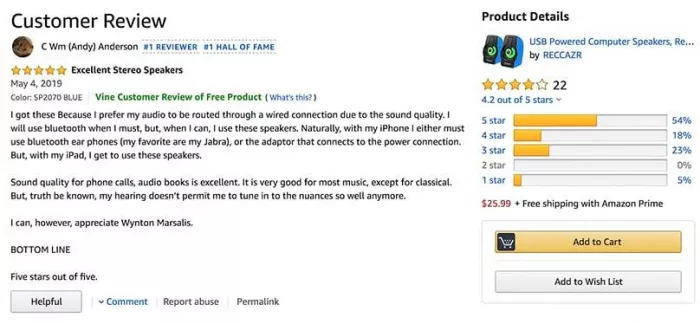
● Key Advantage: Direct impact on sales. The number and quality of your reviews are one of the most important factors in Amazon's search algorithm.
● What it Lacks: Extremely strict policies. Amazon has cracked down hard on any form of review manipulation, and a mistake can get your product delisted.
● Best for: Any business selling physical products on the Amazon marketplace.
24. Sitejabber
● Key Advantage: It’s an open platform for all online businesses, giving you a chance to build trust and show off your customer service.
● What it Lacks: Less authority than industry specific sites. A positive review here is good, but a positive review on Trustpilot or G2 often carries more weight.
● Best for: E-commerce and online service businesses looking to broaden their review footprint.
25. ConsumerAffairs
● Key Advantage: Attracts serious buyers. Consumers on this site are often making big ticket purchases and do extensive research beforehand.
● What it Lacks: A focus on complaints. Many users come to the site to resolve issues, so you need a strong customer service process to manage your presence.
● Best for: Businesses in high consideration industries like automotive, financial services, and moving companies.
Frequently Asked Questions (FAQ)
1. How many review sites should my business be on?
You don't need to be on all 25. Start with the "Big 5." Then, pick the top 2-3 platforms that are most specific to your industry. It's better to do an amazing job on 7-8 relevant sites than to have a weak presence on all of them.
2. How do I deal with negative reviews?
First, always respond publicly and professionally. Thank the customer for their feedback, apologize for their bad experience (without admitting fault if it's not yours), and offer to take the conversation offline to resolve it. A thoughtful response to a bad review can actually win you more customers than a dozen good reviews.
3. Are paid review platforms worth the money?
It depends. For a SaaS company, a paid plan on G2 or Capterra is often a necessary marketing expense that generates high-quality leads. For a small local coffee shop, the free tools offered by Google and Yelp are usually more than enough. Start with the free options first.

Comments