AI Sales Agents Explained: Real Use Cases and Examples

Trevor Hall
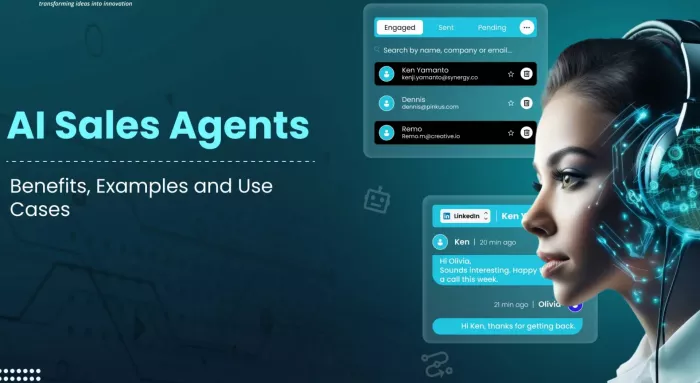
Sales teams are drowning in prospecting, follow-ups, and admin while targets keep rising. AI sales agents promise to take over the repetitive grind so you can focus on real conversations and closing deals.
This review-style guide breaks down what AI sales agents are, where they actually work in real life, and specific tools.
What Are AI Sales Agents?
AI sales agents are software “assistants” that use machine learning and large language models to prospect, qualify, follow up, and even chat or call leads like a junior SDR on autopilot. They plug into your CRM, email, website chat, or phone stack and work 24/7 without getting tired or missing follow‑ups.
Instead of replacing reps, they offload busywork—data entry, list building, first-touch emails, basic qualification, so humans focus on discovery, demos, and closing deals. When set up well, teams see faster response times, more qualified meetings, and cleaner pipelines.
Real Use Cases of AI Sales Agents
1. Outbound Prospecting & Cold Outreach
AI agents can act like an autonomous SDR that finds leads, enriches data, writes tailored emails, and runs follow-up sequences for you. In B2B tests, AI SDR platforms such as Artisan’s Ava have automated around 80% of outbound demand generation tasks, increasing meeting volume with the same headcount.
By combining data sources with AI copywriting, these tools help teams hit more inboxes with more relevant messaging, without manually building lists every week.
2. Inbound Lead Handling & Instant Qualification
On the inbound side, AI sales agents sit on your website or product as chatbots that answer questions, qualify visitors, and book meetings instantly. Some case studies show response time dropping from hours to minutes, with double‑digit gains in demo bookings from the same traffic.
Because the bot can read your docs, pricing, and CRM notes, it asks smart questions, filters out bad fits, and sends only qualified leads to human reps with full context.
3. Lead Scoring, Forecasting & Pipeline Insights
AI agents also work behind the scenes to score leads, forecast deals, and surface next best actions based on historical data and engagement. Tools like Gong and similar AI analytics platforms have reported triple‑digit ROI and faster rep ramp-up by analyzing conversations and pipeline patterns.
This kind of intelligence helps sales managers prioritize accounts, coach more effectively, and avoid surprises at the end of the quarter.
4. Personalized Recommendations & Cross-Sell
In e-commerce and SaaS, AI sales agents recommend products, plans, or add‑ons in real time based on browsing behavior and past purchases. Brands using AI recommendation engines report higher engagement and increased average order value when suggestions feel helpful and contextual rather than random.
Because agents unify data from multiple touchpoints, they keep recommendations consistent across the website, app, and support channels.
5. Voice AI for Calls & Follow-Ups
Voice AI agents can place outbound calls, handle simple sales conversations, capture answers, and schedule appointments. They’re especially useful for routine callbacks or lead recovery, where speed matters but questions are predictable.
These agents follow scripts, log notes into your CRM, and trigger workflows automatically, reducing manual dialing and call logging for reps.
5 AI Sales Agents
Below is the improved quick-glance section you asked for, with each tool summarized features, what it does, pricing, and summarized reviews about each software mentioned online.
1. SuperAGI (Agentic CRM Platform)
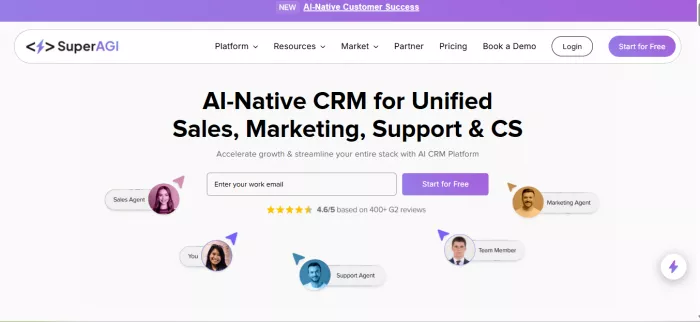
- description: SuperAGI is an AI “agentic CRM” platform that combines CRM, AI SDRs, and automation to run multi‑channel sales workflows for growing teams.
- Features: Key features include autonomous outbound agents, workflow automation, voice capabilities, CRM integration, and credit-based usage for emails, calls, and AI generation.
- What it does: In practice, what it does is act like multiple junior SDRs that prospect, contact, and follow up across channels while keeping your pipeline updated in one place.
- pricing: Typical pricing is a dual model—around USD 49 per seat per month plus usage credits, with real monthly cost per active user often estimated in the USD 100–200 range depending on volume.
- reviews positive and negative: mention powerful automation and scale for growth-stage companies on the plus side, but call out premium costs and complexity for small or very early-stage teams.
2. Artisan Ava (AI SDR)
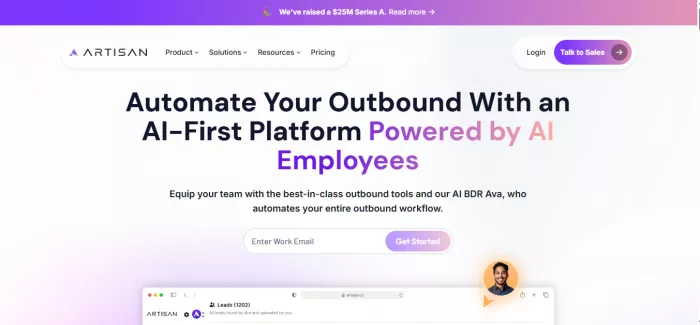
- description: Artisan’s Ava is an AI SDR designed to automate a large chunk of outbound prospecting and follow-ups for B2B sales teams.
- Features: Its main features include lead sourcing, personalized outreach, sequences, follow-up automation, and dashboards to monitor SDR-style workflows.
- What it does: Day to day, what it does is take over about 70–80% of outbound tasks—finding leads, emailing them, and chasing replies—so humans focus on calls and negotiations.
- Pricing: Reported pricing from external reviews suggests plans typically starting around USD 1,500–2,000 per month on annual contracts, with custom enterprise packages.
- Reviews positive and negative: often praise the time savings and meeting lift for outbound-heavy teams, while criticizing opaque, custom pricing and potential overkill for small companies just starting SDR motions.
3. Apollo.io AI Agent
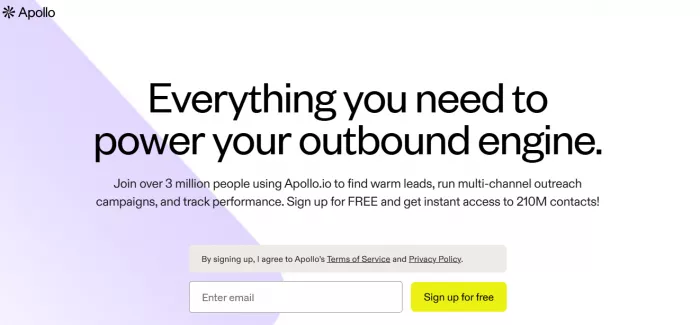
- description: Apollo.io is a sales intelligence and outreach platform with AI‑assisted prospecting and sequencing built on top of a large B2B contact database.
- Features: Notable features include a big lead database, enrichment, email sequences, dialer, and AI insights for targeting and messaging.
- What it does: Practically, what it does is help you find the right people, enrich their data, and run multi‑step outbound campaigns from a single interface.
- pricing: Public pricing in 2025 shows a free tier, then paid plans such as Basic at about USD 59/month per user (USD 49 on annual), Professional at USD 99/month (USD 79 annual), and Organization at USD 149/month (USD 119 annual), with increasing credits and features at each level.
- Reviews positive and negative: frequently highlight strong data coverage and value for prospecting, but also mention limits tied to credits, occasional data inaccuracies, and rising costs at higher tiers.
4. Lavender (AI Email Coach)
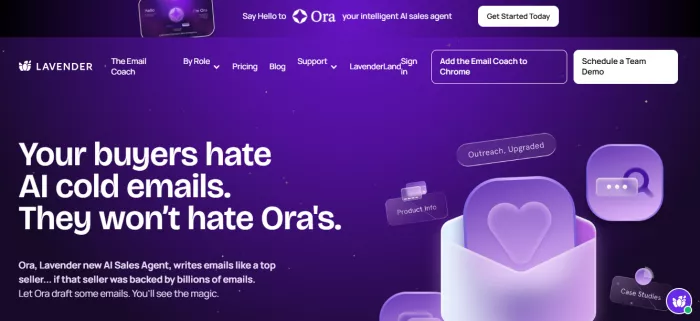
- description: Lavender is an AI email assistant focused on helping sales reps write better cold emails and follow‑ups directly from their inbox.
- Features: Core features include real-time email scoring, personalization suggestions, coaching tips, analytics, and integrations with tools like Outreach and Salesloft on higher plans.
- What it does: In simple terms, what it does is sit alongside you while you write, rating each email and suggesting edits to boost reply rates and reduce spammy messaging.
- pricing: Typical pricing: free plan limited to about 5 emails per month, Starter around USD 29/month, Pro around USD 49/month, and Teams roughly USD 69/month per user, with discounts for annual billing.
- reviews positive and negative: often praise its ease of use, helpful scoring, and impact on email quality, while some users feel it can be strict or generic at times, and that team pricing adds up at scale.
5. Drift (Conversational AI for Sales)
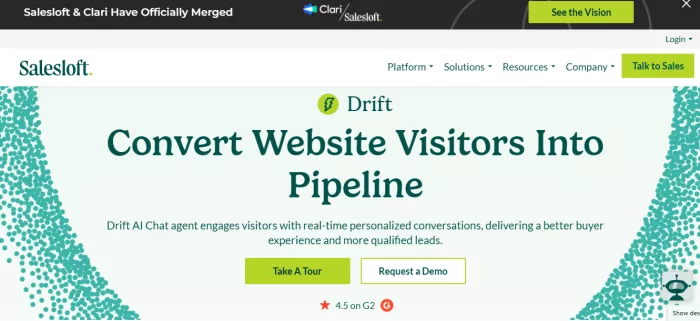
- description: Drift is a conversational AI and chat platform built to capture, qualify, and route website leads for sales teams in real time.
- Features: Its features include AI chatbots, live chat, meeting scheduling, routing, conversational landing pages, and integrations with major CRMs.
- What it does: Practically, what it does is talk to visitors on your site 24/7, answer questions, qualify them, and book meetings or hand off to reps as needed.
- pricing: Current pricing details from reviews indicate an entry-level Premium plan starting around USD 2,500 per month billed annually, with Advanced and Enterprise tiers priced via sales for larger deployments.
- Reviews positive and negative: describe strong B2B chat performance and pipeline impact for mature teams, but consistently flag high cost, limited public pricing transparency, and complexity for early-stage or smaller businesses.
Using These Agents in Your Sales Strategy
When you plug AI agents like these into your stack, the biggest wins usually come from a clear, narrow first use case, such as outbound emailing with Apollo.io plus Lavender, or website lead capture with Drift. Once you’ve proven that the AI improves reply rates, booked meetings, or response time, you can experiment with more advanced agentic setups using platforms like SuperAGI or an AI SDR like Artisan.
The key is to treat each agent like a junior rep: give it targeting rules, good data, and guardrails, monitor early output closely, and slowly turn up automation once you trust the results. That way, you get the leverage of automation without losing the human quality that actually closes deals.

Comments